TL;DR: Education in China focuses on mass teaching of AI and machine learning from an early age. This is a challenge for Western educational systems, which need to accelerate digitalization.
The Chinese educational system is one of the most orderly, extensive, and discipline-based systems in the world. It is built on compulsory education, a strong emphasis on learning, the development of new technologies, and the shaping of social and moral values.
Structure of the educational system
- Preschool education: from 2 to 6-7 years of age.
- Primary school: 6 years of study, starting at age 6 or 7.
- Middle school: 3 years, ages 12-15.
- High school: 3-4 years, from 15 to 18-19 years of age (general – 3 years, vocational – 4 years).
- Higher education: 3-4 years of undergraduate studies, another 2-3 years of master’s studies, and a doctorate.
Primary and middle school are compulsory and free (including textbooks and supplies).
Characteristics of the system
- Heavy emphasis on discipline – rules comparable to military ones.
- 5-day school week, school year divided into two semesters (September-July).
- Strong emphasis on rote learning and high competitiveness.
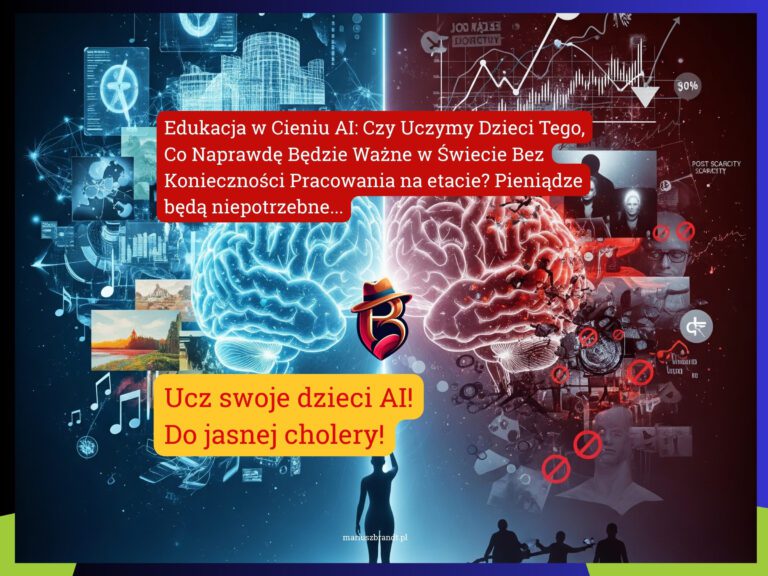
- Starting September 2025 – mandatory artificial intelligence (AI) classes for all primary and high school students.
- Intensive development of digital and vocational education, with an emphasis on cooperation with the labor market and future technologies.
List of main subjects
In primary schools, students study a minimum of nine mandatory subjects plus (starting in 2025) AI:
- Chinese language (Mandarin)
- mathematics
- civics (ideology, morality, social values)
- science (biology, geography, ecology)
- social studies
- physical education
- music
- art (fine arts)
- manual arts (crafts)
- AI classes (from 2025: theory and practice of artificial intelligence)
- foreign language (most commonly English – optional)
At later stages, specialized and advanced subjects appear (e.g., physics, chemistry, computer science, vocational subjects).
Contemporary trends and digitalization
- Over 70% of schools use digital technologies.
- Widespread AI classes – algorithm basics, machine learning, image recognition, digital ethics, programming basics, and AI projects in older grades.
- Growth in the share of vocational and technical education, close cooperation between schools and the business environment.
Examples
During physical education in China, students engage in gymnastics (morning gymnastics before classes), eye-improving exercises, team sports, athletics, martial arts (wushu, qigong), personal hygiene exercises, peer behavior, and sports recreation.
In artificial intelligence (AI) classes, students learn:
- basics of AI theory
- algorithms and modeling
- programming (programming languages, AI applications)
- machine learning
- image recognition, data analysis
- artificial intelligence ethics and impact on society
- implementation of their own AI projects
In manual arts (crafts), students have:
- DIY classes (working with wood, paper, plastic)
- model assembly
- sewing and working with fabric
- basics of robotics and electronics (in some schools)
- solving practical technical problems
- planning and execution of manual projects
Each type of class is tailored to the age of the students and the proficiency level of the given age group. All place a strong emphasis on discipline, cooperation, and learning by doing.
FAQ – Education in China
What do children learn in China? School curricula place a huge emphasis on STEM subjects, coding, and the practical application of artificial intelligence.


![[eBook] Marketing 360 — From Fundamentals to Advanced Strategy by Mariusz Brandt](https://mariuszbrandt.pl/wp-content/uploads/2025/04/okladka_Marketing360_MariuszBrandt.jpg)